Understanding the Significance of Red in Chinese Culture
The color red holds a prominent place in Chinese culture, symbolizing luck, joy, and prosperity. Its significance is deeply rooted in the historical and cultural practices of the Chinese people. For centuries, red has been associated with various traditions, rituals, and celebrations, making it a color of choice for many occasions. When exploring options, rokok88 link provides comprehensive insights into the cultural meanings tied to this vibrant hue.
1. The Symbolic Meaning of Red
In Chinese culture, red is not merely a color; it is a symbol laden with positive connotations. It represents happiness, good fortune, and success. The symbolism of red is prevalent in art, literature, and folklore, where it often signifies triumph over evil and the arrival of good luck. Moreover, red is believed to ward off negative influences, making it a protective color in various aspects of life, including marriage and childbirth.
2. Cultural Context Across Different Regions
While the color red is universally accepted as auspicious in Chinese culture, its interpretations can vary across different regions and communities. For example, in Southern China, red is prominently featured during weddings, where it reflects not only good fortune but also marital bliss. Conversely, in other regions, specific shades of red may carry unique meanings based on local customs and historical narratives, emphasizing the need for cultural sensitivity when celebrating or showcasing these traditions.
3. Red's Role in Celebrations and Rituals
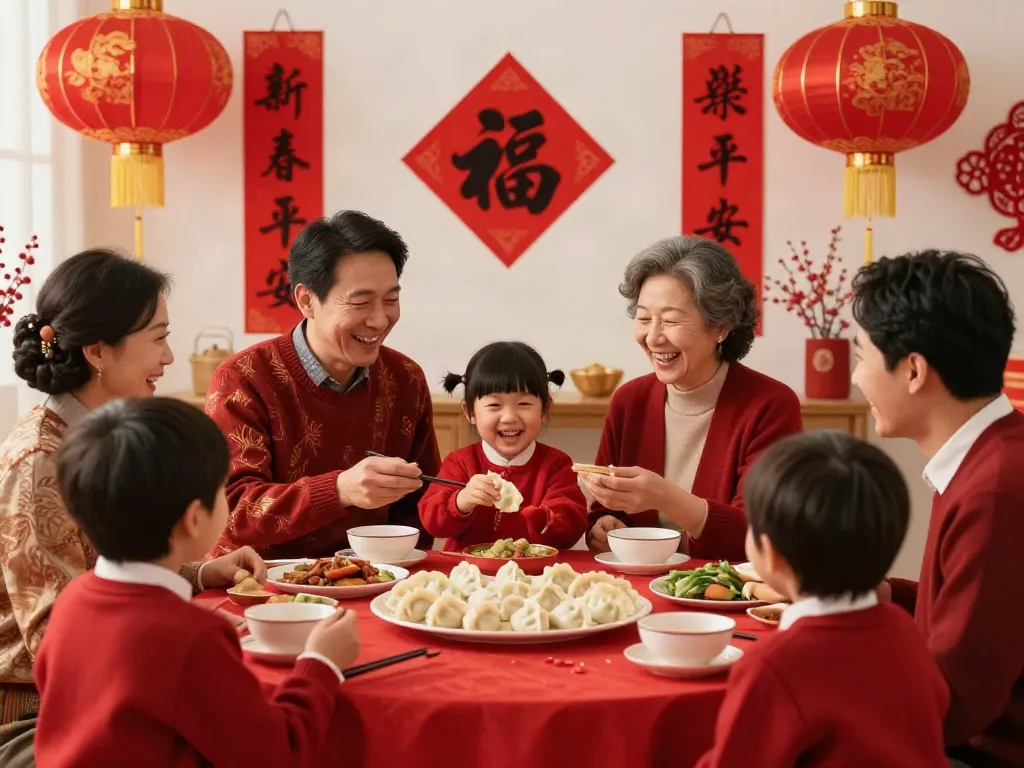
Red plays a vital role in numerous Chinese celebrations, especially during the Lunar New Year. The traditions associated with the New Year often showcase vibrant displays of red elements, embodying hope for the upcoming year. From red lanterns adorning homes to families wearing red clothing, every detail is meticulously planned to invite good fortune and happiness.
Why Red is Predominant During Lunar New Year
The Lunar New Year, also known as Spring Festival, is arguably the most significant celebration in the Chinese calendar, where the color red takes center stage. It represents the culmination of a year's hard work and a fresh start for families and communities. The omnipresence of red brings an air of excitement and positivity that is echoed through festivities.
1. Historical Background of Lunar New Year Traditions
Historically, the Lunar New Year has been celebrated for thousands of years, tracing back to ancient agricultural practices. The arrival of spring symbolizes renewal and the promise of a bountiful harvest. Therefore, the use of red during this time serves as an encouragement for fertility and abundance throughout the year.
2. Decorations and Their Cultural Significance
During the Lunar New Year, homes are adorned with red decorations, including banners, couplets, and lanterns. These items are often inscribed with auspicious phrases that wish prosperity and good luck to families. The collective red elements create a festive ambiance that enhances social unity and joy.
3. Personal Reflections and Family Connections
The color red during the Lunar New Year is also a representation of familial bonds. Family members gather to celebrate, and the act of wearing red symbolizes their commitment to wish one another good fortune. This cultural practice fosters a spirit of togetherness and strengthens the emotional ties that bind families across generations.
The Symbolism Behind Angpao and Red Envelopes
One of the most cherished traditions during the Lunar New Year is the giving and receiving of angpao, or red envelopes. This practice exemplifies the financial and emotional support provided among family members, reinforcing the values of generosity and goodwill.
1. The Tradition of Giving and Receiving Angpao
Angpao are red envelopes containing money, usually given to younger family members or those who are not married. This tradition is laden with deep meaning, where the act of giving symbolizes blessings and the hope for a prosperous future for the recipient. It’s a ritual that transcends mere monetary exchange, representing connection, love, and good wishes.
2. Meaning of the Contents: More Than Just Money
While the contents of an angpao may be financial, the act holds a much greater significance. The amount is often carefully chosen; odd numbers are preferred as they are traditionally associated with happiness and prosperity. The recipient's appreciation reflects the mutual respect and love shared within families.
3. Modern Adaptations of Angpao Practices
In recent years, with the rise of technology, the traditional angpao has evolved. Digital red envelopes are becoming increasingly popular, particularly among younger generations. This adaptation maintains the essence of the tradition while aligning with modern communication and financial practices.
Red in Everyday Life and Its Applications
The prominence of red in Chinese culture extends beyond celebrations and rituals. It is woven into the fabric of everyday life, influencing various spheres including fashion, home decor, and personal celebrations. Understanding this continuous presence of red provides insights into its significance.
1. Common Items Reflecting Red's Significance
Red can be found in various everyday items, from clothing to kitchenware. For example, many families opt for red dishes when hosting gatherings, believing that it brings good luck to their meals. This practice illustrates the integration of cultural symbols into daily routines.
2. The Color Red in Home Decor and Fashion
In home decor, red is often chosen for accent walls, curtains, and furnishings to create an inviting atmosphere. In fashion, wearing red clothing during important events or family gatherings is commonplace, providing a sense of confidence and positivity to the wearer.
3. Infusing Red into Personal Celebrations
Incorporating red into personal celebrations—be it birthdays, weddings, or significant anniversaries—creates a festive environment. Individuals often choose to include red-themed decorations, cake designs, and attire to evoke feelings of joy and happiness.
Myths and Facts about Red and Luck
As with many cultural elements, numerous myths and facts surround the color red and its association with luck. Examining these beliefs helps to clarify the real implications of this vibrant shade in Chinese culture.
1. The Beliefs Surrounding Red and Fortune
Many believe that the presence of red guarantees fortune and prosperity. This belief stems from historical practices where red was used to ward off evil spirits, hence attracting luck. However, it is important to recognize that while red is associated with positive outcomes, it does not guarantee specific results.
2. Debunking Common Misconceptions
One common misconception is that wearing or using red will automatically bring good fortune. In reality, while red may invite positivity, individual effort and intentions play significant roles in achieving success. This reflects the broader understanding that colors, while impactful, are part of a more complex cultural tapestry.
3. The Future of Red Traditions in Cultural Contexts
As cultures evolve, so do their traditions. The significance of red is likely to continue in modern Chinese society, adapting to new contexts while retaining its core meanings. Future generations will hopefully embrace and innovate these traditions, maintaining cultural heritage while reflecting contemporary values.
What does the color red symbolize in Chinese culture?
The color red symbolizes luck, happiness, and prosperity in Chinese culture, deeply embedded in traditions and celebrations.
Why is red commonly used during Lunar New Year?
Red is used during Lunar New Year as it symbolizes a fresh start, prosperity, and the hope of good fortune for the coming year.
What is the significance of angpao?
Angpao, or red envelopes, signify blessings and good wishes from the giver to the receiver, representing familial love and solidarity.
Where else is red found in Chinese traditions?
Red is found in various aspects of Chinese traditions, including weddings, home decor, and personal celebrations, reflecting its significance in daily life.
Does the color red guarantee good luck?
While red is associated with luck and prosperity, it does not guarantee success or specific outcomes; individual actions and intentions also play critical roles.